Artificial intelligence (AI) is gaining importance in daily clinical practice and, in dentistry, its adoption is especially natural: we work with CBCTs, intraoral scanners, photographs and clinical records that generate a huge volume of information. The real challenge is no longer simply digitising, but integrating data effectively to make better decisions.
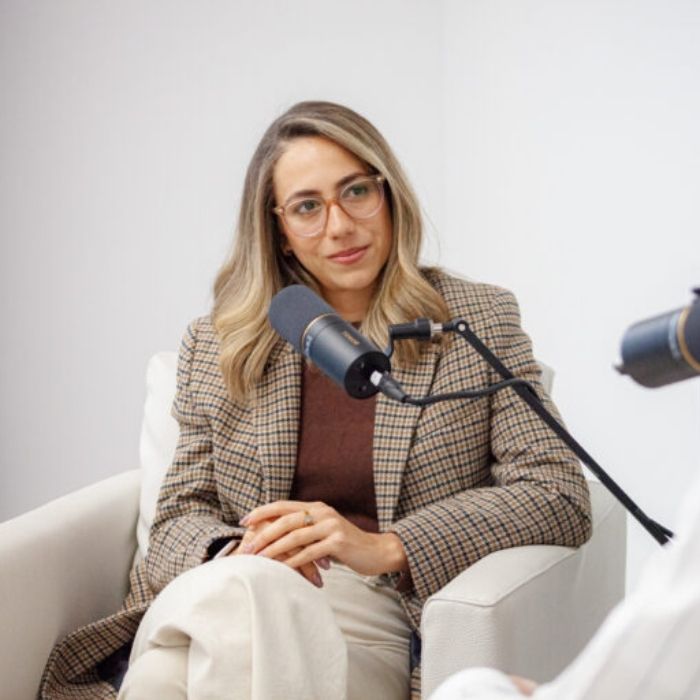
In this context, Dr Andrea Colón, a dentist specialised in prosthetics, implant rehabilitation and aesthetics, and Director of Nemotec’s Clinical Department, defends a very clear idea: AI provides precision and consistency, but it cannot replace clinical judgement.
The value of AI: structuring protocols and reducing variability
One of the most interesting points raised by Dr Colón is diagnostic variability in traditional dentistry: different professionals may interpret the same case differently, especially when there are nuances or many tests to cross-reference.
Here, AI can help structure protocols, organise information and improve consistency. But without falling into the typical mistake of thinking that AI “does everything”. Dr Colón insists that AI is not here to replace, but to help and work with you.
Therefore, no matter how advanced the tool is, the core principle remains the same: the dentist decides. Clinical judgement interprets data, contextualises it and adapts it to the reality of each patient.
Where artificial intelligence is most noticeable in dentistry
According to Dr Andrea Colón, the impact of AI is particularly visible in:
- Orthodontics
- Guided surgery
- Smile design
- Advanced diagnosis
In these areas, AI makes it possible to automate part of the work, improve workflows and provide predictability. Even so, there is a key limitation: AI does not fully understand the biological and human context, so the dentist’s role remains unquestionable.
AI and patient relationships: more visualisation, more clarity
Another key strength lies in communication with the patient. When the plan is supported by digital visualisation, the explanation stops being abstract and the patient better understands what is happening and what is being proposed.
Dr Colón maintains that this does not make the relationship colder; rather, it can humanise it, because the professional gains more time to speak, explain more clearly and connect with the patient. This usually translates into two direct effects:
- More trust
- Higher treatment acceptance
She also highlights the importance of the first consultation, as it is a decisive opportunity for the patient to stay with the clinic. When visual communication helps, you do not just explain: you also motivate.
NemoSG and “motivational dentistry”: seeing a smile in seconds
NemoSG is a tool integrated into NemoStudio, but you do not need any other Nemotec software to use it. It enables the generation of 2D smiles from patient scans and photographs, delivering an automatic orthodontic treatment setup.
This connects with the idea of “motivational dentistry”: not only informing, but also generating excitement and motivation from the very first moment through visualisation of the outcome.
The future: standing out by understanding AI and communicating better
Dr Andrea Colón points out that the true difference will not be made by those who have “more technology”, but by those who:
- Understand how AI works
- Integrate it with critical thinking
- Strengthen communication to maintain human and personal care.
AI can increase precision, but what sustains good clinical practice is the combination of technology + clinical judgement + communication skills.